Every company with a field sales team has them. They're the ones logging miles between dealer visits, building relationships one handshake at a time, and carrying the weight of regional revenue targets on their shoulders.
The territory sales officer role is one of the most common entry and mid-level positions in sales organizations worldwide, yet it's surprisingly misunderstood. Some think it's just "traveling and selling." Others confuse it with regional management. The reality is more nuanced: TSOs operate at the intersection of relationship-building, market intelligence, and revenue execution.
If you're considering this career path, hiring for this role, or already doing the job and wondering what's next, this guide covers everything from the territory sales officer job description to salary expectations, interview preparation, and how to actually succeed in the role.

What Is a Territory Sales Officer?
A territory sales officer (TSO) is a sales professional responsible for driving revenue within a defined geographic area. Unlike inside sales reps who work from an office, TSOs spend most of their time in the field - meeting customers, managing dealer or distributor relationships, and finding new business opportunities within their assigned territory.
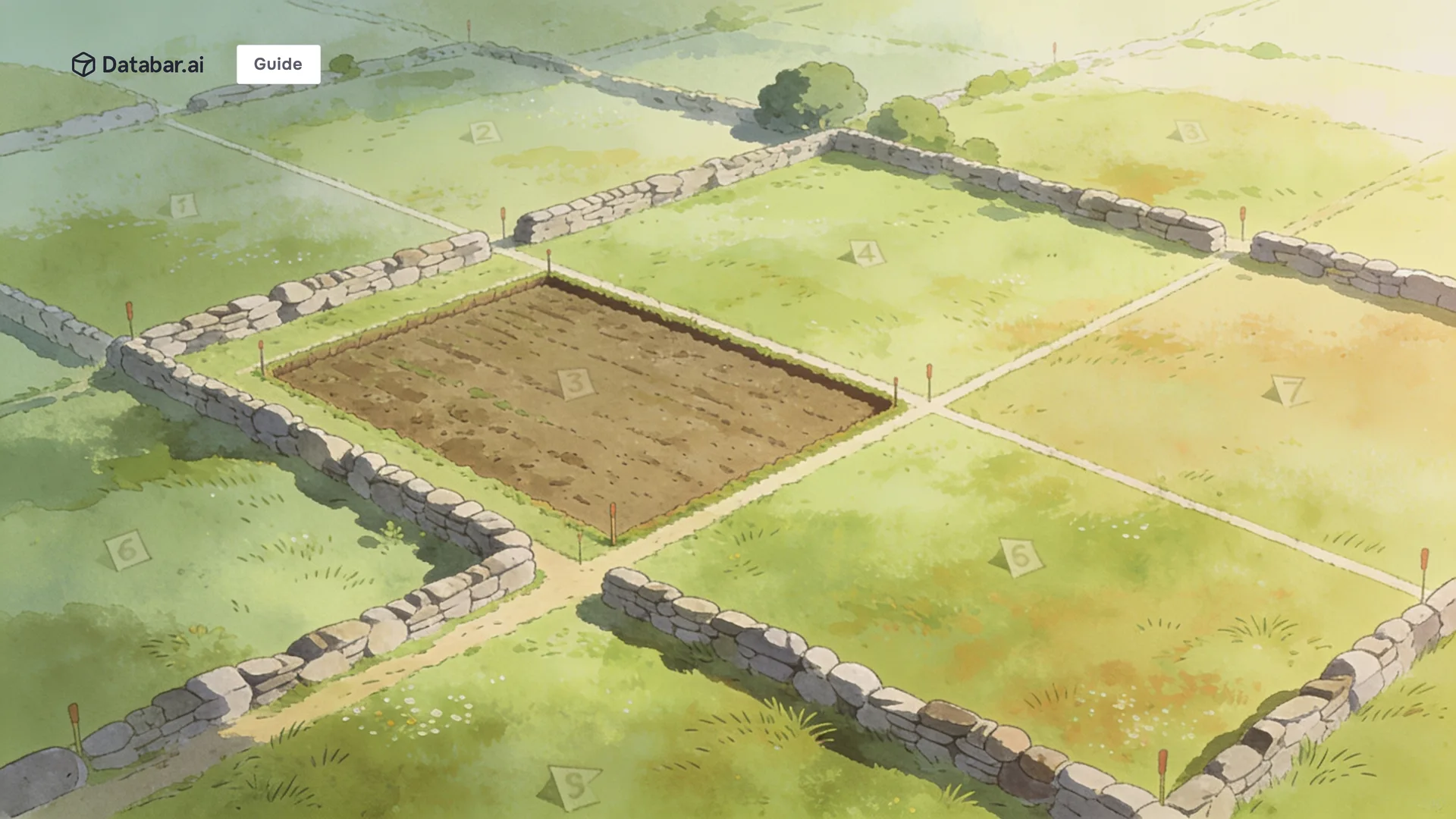
The territory sales officer meaning comes down to ownership. You own a piece of geography. Everything that happens (or doesn't happen) in that territory is your responsibility: sales growth, customer relationships, competitive positioning, market intelligence.
TSOs go by various titles depending on the company and industry: Territory Sales Representative, Territory Manager, Area Sales Officer, or Field Sales Executive. The core function remains the same, making sales happen on the ground.

Territory Sales Officer vs. Territory Sales Manager
These terms sometimes get used interchangeably, but there's typically a difference.
A territory sales officer is usually an individual contributor. You manage accounts and relationships within your territory, but you don't have direct reports. Your job is execution, hitting your own numbers.
A territory sales manager typically oversees multiple TSOs or a broader region. They're responsible for team performance, coaching, and strategy in addition to (or instead of) their own direct selling. Think of it as the next rung on the ladder.
That said, some companies use "officer" and "manager" titles inconsistently, so always check the actual responsibilities when evaluating opportunities.
Territory Sales Officer Job Description
What does a TSO actually do day-to-day? The specifics vary by industry, but here's a realistic breakdown of territory sales officer responsibilities:
Primary Responsibilities
Account management and growth: Maintaining relationships with existing customers in your territory. This includes regular visits, understanding their evolving needs, and identifying opportunities to sell more.
New business development: Finding and acquiring new customers within your territory. Cold outreach, following up on leads, networking at industry events, whatever it takes to grow your customer base.
Dealer and distributor management: In many industries (FMCG, manufacturing, pharma), TSOs work through channel partners rather than selling directly. Managing these relationships—ensuring they're stocked, trained, and motivated to push your products, is a major part of the job.
Market intelligence: You're the company's eyes and ears on the ground. Tracking competitor activity, understanding local market dynamics, identifying trends, this information flows back to headquarters and shapes strategy.
Sales forecasting and reporting: Predicting what you'll sell, tracking what you've sold, explaining the gaps. Most TSOs spend more time in spreadsheets and CRM systems than they'd prefer.
Problem resolution: Customers have issues. Shipments arrive late, products have defects, invoices don't match. TSOs often become the go-between, coordinating with internal teams to keep customers happy.
What a Typical Week Looks Like
Monday might be planning routes and catching up on admin. Tuesday through Thursday are field days, four to six customer visits each day, driving between locations, handling impromptu issues. Friday is reporting, team calls, and preparing for next week.
Travel intensity varies. Urban territories might mean staying local. Rural or regional territories could involve overnight stays and significant windshield time.

Industries That Hire Territory Sales Officers
The TSO role exists across nearly every B2B sector, but some industries hire heavily:
FMCG (Fast-Moving Consumer Goods) - Companies like Asian Paints, Nestlé, and Hindustan Unilever run massive field sales forces. TSOs in FMCG manage dealer networks, track retail execution, and push new products into distribution.
Pharmaceuticals - Pharma TSOs (sometimes called Medical Representatives) visit doctors, pharmacies, and hospitals to promote medications and build prescriber relationships.
Building materials and construction - Cement, steel, paints, tiles—these industries rely on TSOs to cover dealer networks and influence contractor decisions.
Technology and telecom - B2B tech companies use TSOs to manage reseller relationships and mid-market accounts within geographic regions.
Industrial equipment - Manufacturers of machinery, components, and supplies hire TSOs to service and grow accounts within industrial clusters.
Agriculture - Seed, fertilizer, and equipment companies deploy TSOs to cover farming regions and manage agricultural dealer networks.
Territory Sales Officer Salary: What to Expect
Compensation varies significantly by geography, industry, and experience. Here's a general picture:
United States
US territory sales representatives and managers earn between $50,000-$110,000 annually, with the median around $70,000-85,000 base salary. Add commissions and bonuses, and total compensation for strong performers often exceeds $100,000.
Technology and medical device industries typically pay highest. FMCG and building materials cluster in the middle.
Compensation Structure
Most TSO roles include:
Base salary (guaranteed)
Variable pay tied to quota attainment (commissions or bonuses)
Travel allowance or company vehicle
Mobile phone and expense reimbursement
The base-to-variable ratio varies. Some roles are 80% base, 20% variable. Others flip closer to 60/40 for high-performing industries. Always clarify the on-target earnings (OTE) and how realistic hitting target actually is.

Skills Required for Success
Technical knowledge only gets you so far. Here's what separates average TSOs from the ones who consistently crush quota:
Relationship building: Your territory is your network. The ability to build genuine trust with customers, dealers, and internal stakeholders determines long-term success more than any selling technique.
Self-discipline: Nobody's watching you in the field. You decide how many calls to make, how many customers to visit, how hard to push on tough accounts. Self-starters thrive; people who need structure struggle.
Territory analysis: Knowing which accounts matter most, where growth opportunities exist, and how to allocate your limited time. This is part data analysis, part pattern recognition, part instinct.
Product knowledge: Customers expect you to know your products cold. In technical industries, this can mean significant ongoing learning.
Problem-solving: Things go wrong constantly. Great TSOs find solutions instead of passing problems up the chain.
Resilience: You'll face rejection, miss targets, lose accounts you worked hard to win. The ability to bounce back and keep pushing matters enormously.
Communication: Clear, professional communication with customers and internal teams. This includes written reporting that actually helps leadership understand what's happening in your territory.
Territory Sales Officer Interview Questions
If you're preparing for a TSO interview, expect questions that probe your sales experience, territory management capabilities, and problem-solving skills. Here are common questions and what interviewers are looking for:
"How would you approach a new territory with no existing relationships?"
They want to see systematic thinking. Talk about research (understanding the market, identifying key accounts), prioritization (which customers to approach first), and initial outreach strategy. Mention how you'd learn about local dynamics and competitor presence.
"Tell me about a time you turned around an underperforming territory or account."
Use the STAR format (Situation, Task, Action, Result). Be specific about what was wrong, what you did to diagnose it, the actions you took, and the measurable outcome. Numbers matter here.
"How do you prioritize when you have more accounts than you can possibly visit in a week?"
They're assessing your analytical thinking. Talk about segmentation (high-value vs. low-value accounts), activity prioritization (urgent issues vs. growth opportunities), and how you balance customer maintenance with new business development.
"Describe a difficult customer relationship you've managed."
Show that you can handle conflict professionally. Focus on listening, understanding the underlying issue, taking ownership, and finding resolution. Avoid bad-mouthing the customer.
"What CRM and sales tools have you used?"
Familiarity with Salesforce, HubSpot, or industry-specific tools matters. If you haven't used their specific system, emphasize your ability to learn and your general comfort with sales technology.
"Why do you want to work in territory sales?"
Honest answers work best. Maybe you like the independence, the relationship-building, being out of an office, or the direct connection between effort and results. Avoid generic answers that could apply to any sales job.
How to Write a Cover Letter for Territory Sales Officer Roles
Your cover letter should accomplish three things: show you understand the role, demonstrate relevant experience, and express genuine interest in the specific company.
Opening paragraph - Hook them quickly. Mention the specific role and why you're excited about it. If you have a connection to the company or territory, say so.
Middle paragraphs - Highlight relevant experience. If you've done territory sales before, talk about results. If you're transitioning from another role, connect your experience to TSO requirements (relationship management, field work, achieving targets). Be specific—numbers and examples beat vague claims.
Closing paragraph - Express enthusiasm and request next steps. Keep it confident but not arrogant.
Keep the whole thing to one page. Nobody reads long cover letters.
Career Progression: What Comes After TSO?
The TSO role is often a launchpad to broader sales leadership. Typical progression looks like:
Territory Sales Officer → Senior TSO / Area Sales Officer → Territory Manager / Area Manager → Regional Sales Manager → Zonal Head → National Sales Manager / VP Sales
Timeline varies. Fast-trackers at strong companies might move from TSO to Regional Manager in 5-7 years. Others stay at individual contributor levels longer, which isn't necessarily bad if you love field work and earn well.
Alternative paths include moving into key account management (handling major accounts instead of territories), sales training, marketing, or even operations roles that benefit from field experience.
Tools That Help TSOs Perform
Modern TSOs rely on technology more than ever. Essential tools include:
CRM systems - Salesforce, HubSpot, Zoho, or industry-specific platforms. Your CRM is where you track accounts, log activities, manage pipeline, and generate reports.
Route planning software - For TSOs covering large territories, optimizing travel routes saves hours weekly.
Mobile apps - Field sales apps let you access customer information, update records, and communicate with the team while on the road.
Data enrichment tools - Understanding your territory deeply requires good data. Platforms like Databar help sales teams enrich CRM records with firmographic data, contact information, and company intelligence, filling in the gaps that make territory planning more effective.
Communication tools - Slack, Teams, WhatsApp Business - whatever your company uses for quick coordination.
Territory Sales Officer at Asian Paints: A Case Study
Asian Paints is one of India's most sought-after employers for TSO roles, offering a glimpse into how large companies structure these positions.
TSOs at Asian Paints manage dealer networks within defined geographies. Responsibilities include regular dealer visits, ensuring product availability, communicating schemes and promotions, coordinating with contractors (who influence paint selection), and tracking competitor activity.
The role requires an MBA in Sales & Marketing and willingness to relocate pan-India. Salaries start around ₹6-7 lakhs annually. The company is known for strong training programs and internal promotion paths.
It's demanding, extensive travel, targets tied to dealer performance, and constant pressure to grow market share. But it's also highly regarded as a training ground for sales careers.
Tips for Succeeding as a Territory Sales Officer
A few principles that separate high performers:
Know your territory better than anyone. Who are the key accounts? Who's growing? Who's struggling? Who influences purchase decisions? Who's your competition courting? The TSO who knows their territory deeply always outperforms the one who's just going through the motions.
Invest in relationships before you need them. Don't just show up when you want something. Regular touchpoints, genuine interest in customers' businesses, and being helpful even when there's no immediate sale builds the trust that pays off long-term.
Be honest with yourself about your pipeline. It's tempting to inflate forecasts or pretend weak accounts are strong. But accurate self-assessment lets you course-correct before it's too late. If you're going to miss target, know it early.
Learn from your best customers. What makes them successful? What do they value? Understanding this helps you replicate it with other accounts.
Don't hide problems. Customers appreciate honesty when things go wrong. Internal teams need to know about issues to fix them. Covering up problems usually makes them worse.
FAQ
What is a territory sales officer?
A territory sales officer is a sales professional responsible for driving revenue within a defined geographic area. They manage customer relationships, develop new business, work with dealers or distributors, gather market intelligence, and hit sales targets within their assigned territory. The role combines relationship management, field sales execution, and strategic thinking.
What is the difference between a territory sales officer and territory sales manager?
A territory sales officer is typically an individual contributor, they manage accounts and drive sales personally but don't have direct reports. A territory sales manager usually oversees multiple TSOs or a broader region, with responsibilities including team coaching, performance management, and strategic planning in addition to (or instead of) direct selling.
What is the salary range for territory sales officers?
In India, territory sales officer salary typically ranges from ₹3-8 lakhs annually depending on industry and experience, with top performers in premium companies earning ₹10+ lakhs. In the US, total compensation ranges from $50,000-$110,000, with median base salaries around $70,000-85,000 plus variable compensation.
What qualifications do you need to become a territory sales officer?
Most companies require a bachelor's degree in business, marketing, or a related field. An MBA is preferred or required for TSO roles at major corporations like Asian Paints. Beyond education, relevant sales experience, strong communication skills, and proficiency with CRM tools are essential. Industry-specific knowledge is often valued.
What are the main responsibilities of a territory sales officer?
Key territory sales officer responsibilities include: managing existing customer relationships, developing new business, overseeing dealer/distributor networks, gathering competitive intelligence, forecasting sales, reporting performance metrics, and resolving customer issues. Day-to-day work involves significant field time visiting accounts.
How do I prepare for a territory sales officer interview?
Prepare examples of sales achievements using the STAR format (Situation, Task, Action, Result). Be ready to discuss how you'd approach a new territory, handle difficult customers, and prioritize competing demands. Research the company's products, markets, and competitors. Demonstrate your understanding of field sales dynamics and your comfort with travel and independence.
Related articles
See all